Becoming a Fly Fishing Guide: A Comprehensive Plan (Updated 04/07/2026)
Today’s date is 04/07/2026 10:13:32. Becoming a Colorado fly fishing guide requires proper permitting for public waters, though certification isn’t legally mandated currently.
The dream of sharing the art of fly fishing with others, immersed in stunning natural landscapes, fuels many aspiring guides; It’s a career path blending passion with profession, offering daily interaction with Colorado’s beautiful rivers and eager anglers. However, successful guiding extends far beyond personal angling skill. It demands a commitment to client safety, educational expertise, and a deep understanding of the local ecosystem.
Becoming a guide isn’t simply about catching fish; it’s about helping others catch fish, fostering their appreciation for the sport, and ensuring a memorable experience. While Colorado doesn’t currently require formal certification for wade guides, navigating the permitting process for guiding on public waters is crucial. This involves understanding regulations and respecting access points. The allure lies in transforming personal enjoyment into a rewarding career, but preparation is key.
Assessing Your Fly Fishing Skills
Honest self-evaluation is the first step towards becoming a successful fly fishing guide. Beyond simply enjoying the sport, can you consistently demonstrate proficient casting in varying conditions? Are you adept at selecting the appropriate flies for different situations, understanding their purpose and how to present them effectively? Mastery of essential knots – improved clinch, surgeon’s, blood – is non-negotiable, ensuring secure connections and preventing lost fish.
Critically assess your ability to fight and land fish efficiently and responsibly, prioritizing the fish’s well-being. Can you confidently read water, identifying likely holding spots? Remember, guiding isn’t about showcasing your skills, but enabling others to succeed. A strong foundation in these core competencies is vital before pursuing guiding opportunities.
Casting Proficiency
Exceptional casting skills are paramount for a fly fishing guide. You must demonstrate accuracy and control with various casting techniques – overhead, roll cast, single and double haul – adapting to wind, distance, and river conditions. Clients will range in skill level, requiring you to simplify instruction and offer tailored guidance. Consistency is key; erratic casts erode confidence.
Practice casting with different rod weights and line types to broaden your versatility. Focus on smooth, efficient movements, minimizing false casts and maximizing line presentation. A guide’s cast isn’t about flair, but about delivering the fly precisely where it needs to be, repeatedly. Consider taking lessons from a certified casting instructor to refine your technique and identify areas for improvement.
Fly Selection Expertise
A successful fly fishing guide possesses an extensive knowledge of fly patterns and their applications. Understanding insect life cycles, emergence patterns, and the specific food sources in local waters is crucial. You must be able to “match the hatch,” selecting flies that imitate the prevalent insects, but also have confidence in attractor patterns when necessary.
Beyond imitation, knowing when to use nymphs, dry flies, streamers, and terrestrial patterns is vital. Guides should carry a comprehensive fly selection, organized for quick access, and be able to explain their choices to clients. Continuously observe the water, noting insect activity and fish behavior, to refine your fly selection throughout the day. Adaptability is key to consistent success.
Knot Tying Mastery
Essential for any fly fishing guide, impeccable knot-tying skills are non-negotiable. A broken connection means a lost fish and a frustrated client. Mastery extends beyond simply tying a knot; it’s about understanding knot strengths, appropriate applications, and quick, efficient execution, even in challenging conditions.
Guides must be proficient in essential knots like the improved clinch knot, Palomar knot, blood knot (for tippet connections), and surgeon’s loop. Regularly practice tying these knots with different materials and in varying visibility. Being able to quickly retie a leader or tippet on the water demonstrates professionalism and minimizes lost fishing time. A guide’s knot tying is a direct reflection of their expertise.
Fish Fighting & Landing Techniques
A skilled guide expertly manages the battle between angler and fish, ensuring both a thrilling experience and the fish’s well-being. This involves teaching clients proper rod handling – maintaining pressure, utilizing the reel’s drag, and employing appropriate lifting and stripping techniques. Understanding fish behavior during a fight is crucial; knowing when to apply pressure and when to give line.
Landing techniques are equally important. Guides must demonstrate safe and efficient methods for bringing fish to hand or net, minimizing stress on the fish. Proper fish handling – wet hands, supporting the fish’s weight, and quick release – are paramount. A guide’s ability to coach clients through the fight and landing process elevates the entire experience.
Understanding Guide Certifications & Requirements
Currently, in Colorado, a wade fly fishing guide does not legally require any specific certification to operate. However, this doesn’t mean qualifications are unimportant. Outfitters often prioritize hiring guides with demonstrated expertise and professionalism. While not mandatory, certifications significantly enhance credibility and marketability.
The primary requirement for guiding on public waters in Colorado is obtaining the correct permitting. This ensures compliance with state regulations regarding access and usage. Understanding these permitting processes is vital for any aspiring guide. Though optional, pursuing certifications showcases dedication to the craft and a commitment to providing clients with a safe and informative experience.
Colorado Specific Regulations (Permitting)
Guiding on Colorado’s public waters necessitates securing the appropriate permitting, even though a general guiding certification isn’t legally mandated for wade fishing. These permits ensure responsible access and sustainable use of the state’s valuable fisheries resources. The specific permitting requirements can vary depending on the location and type of guiding activity – wading versus floating, for example.
Outfitters typically handle the complexities of permitting for their guide staff, making it easier for individual guides to operate legally. However, independent guides are responsible for navigating the permitting process themselves. Thorough research into Colorado Parks and Wildlife regulations is crucial. Understanding these rules avoids potential fines and ensures ethical guiding practices, protecting both the environment and the profession.
Certification Programs (Optional but Beneficial)
While not legally required in Colorado for wade fly fishing, pursuing certification programs significantly enhances a guide’s credibility and skillset. These programs demonstrate a commitment to professionalism and a deeper understanding of fly fishing techniques, safety protocols, and resource conservation. Several organizations offer guiding certifications, each with varying levels of focus and intensity.
Completing a recognized certification can instill confidence in clients and potentially open doors to employment opportunities with reputable outfitters. It showcases dedication to the craft and a willingness to continually improve. Though optional, investing in certification is a valuable step towards building a successful and respected guiding career, proving expertise beyond basic competency.
Essential Knowledge Base
A successful fly fishing guide possesses a robust and diverse knowledge base extending far beyond simply casting a line. Understanding the fundamental principles of fly fishing – from selecting appropriate flies to mastering various knot-tying techniques – is paramount. Equally crucial is the ability to effectively fight and land fish, ensuring both the angler’s enjoyment and the fish’s well-being.
Furthermore, a guide must be intimately familiar with local fishing regulations, access points, and the intricacies of river ecology. This includes a strong grasp of entomology, specifically identifying aquatic insects and their life cycles, as these directly influence fly selection and fishing strategies. A comprehensive understanding forms the bedrock of a rewarding guiding experience.
Entomology: Understanding Aquatic Insects
A fly fishing guide’s success hinges on a deep understanding of aquatic entomology. Trout diets are overwhelmingly based on insects, and knowing their life cycles – from nymph to adult – is critical for effective fly selection. Guides must identify common mayflies, caddisflies, and stoneflies present in local waters, recognizing the stages fish target.
This knowledge extends to understanding emergence patterns, influencing when and where to fish specific flies. Recognizing insect hatches allows guides to anticipate fish feeding behavior and match the hatch precisely. Proficiency in entomology isn’t merely academic; it’s a practical skill directly translating to increased angler success and a more fulfilling fishing experience.
River Ecology & Reading Water
A successful fly fishing guide possesses a comprehensive grasp of river ecology and the art of “reading” the water. Understanding how current, depth, structure, and substrate influence fish holding lies at the heart of guiding expertise. Guides must identify seams, riffles, runs, and pools, recognizing where trout are likely to reside based on these factors.
This skill involves interpreting subtle visual cues – changes in water color, surface disturbances, and the presence of holding cover. Knowledge of how weather patterns and seasonal changes impact river conditions is also crucial. Effectively reading water allows guides to position anglers for optimal drifts and consistently locate fish, enhancing the overall fishing experience.
Local Fishing Regulations & Access Points
A proficient fly fishing guide demonstrates an intimate knowledge of local fishing regulations and public access points. Colorado’s regulations can be complex, varying by waterbody and season; guides must stay current on creel limits, size restrictions, and any specific rules governing the areas they fish.
Familiarity with public access easements, Forest Service roads, and walk-in fishing opportunities is essential for providing clients with legal and convenient access. Guides should also understand any restrictions related to wading, boating, or specific fly fishing techniques. Knowing these details ensures a compliant and enjoyable experience for clients, while protecting the resource.
First Aid & Safety Training
A responsible fly fishing guide prioritizes client safety, demanding comprehensive first aid and safety training. Remote fishing locations present inherent risks, necessitating the ability to handle medical emergencies effectively. Guides should be prepared for injuries like cuts from flies, slips and falls, hypothermia, and allergic reactions.
Beyond basic first aid, understanding swiftwater safety protocols is crucial when wading or floating rivers. Knowledge of hazard recognition, self-rescue techniques, and proper client management in challenging conditions is paramount. Proactive safety measures, combined with swift and competent medical response, are non-negotiable aspects of professional guiding.
Wilderness First Aid Certification
Obtaining a Wilderness First Aid (WFA) certification is highly recommended, even if not legally required, for aspiring fly fishing guides. WFA courses specifically address medical issues encountered in remote environments where rapid evacuation isn’t possible. This training extends beyond standard first aid, covering prolonged patient care scenarios.
Guides learn to improvise with limited resources, manage environmental hazards, and make critical decisions regarding patient stabilization and transport. A WFA certification demonstrates a commitment to client safety and provides the confidence to handle a wide range of medical emergencies effectively. It’s a valuable asset, showcasing preparedness and professionalism to potential clients and outfitters.
CPR Certification
Cardiopulmonary Resuscitation (CPR) certification is an absolutely essential qualification for any fly fishing guide. This life-saving skill equips guides to respond effectively to cardiac arrest or breathing emergencies, significantly increasing a patient’s chances of survival. CPR training covers both adult, child, and infant techniques, ensuring preparedness for diverse situations.
Regular recertification is crucial, as CPR guidelines are periodically updated based on the latest medical research. A current CPR certification demonstrates a proactive approach to safety and provides peace of mind to both the guide and their clients. It’s often a prerequisite for WFA courses and is universally recognized as a fundamental component of emergency preparedness in outdoor professions.
Building Your Guiding Resume
A compelling resume is vital for landing a fly fishing guide position. Highlight extensive fly fishing experience, detailing years spent on the water and diverse fishing scenarios encountered. Emphasize casting proficiency, fly selection expertise, and knot-tying mastery – skills crucial for client success.
Include any relevant certifications like Wilderness First Aid (WFA) and CPR, demonstrating commitment to safety. Detail volunteer work or assistant guiding roles, showcasing practical experience and a willingness to learn. Networking with outfitters is key; mention any connections made. Quantify achievements whenever possible – for example, “guided over 50 trips” or “assisted with client landings of X species.” A well-crafted resume presents you as a capable and enthusiastic guide.
Gaining Experience (Volunteer/Assistant Guide)
Practical experience is paramount when pursuing a fly fishing guide career. Volunteering or working as an assistant guide provides invaluable on-the-job training, bridging the gap between theoretical knowledge and real-world application. This allows observation of seasoned guides handling clients, managing logistics, and adapting to changing river conditions.
Seek opportunities with established outfitters, even if unpaid initially. These positions offer exposure to diverse fishing techniques, client interaction, and safety protocols. Assist with tasks like rigging rods, tying knots, and providing on-water instruction. Embrace every opportunity to learn and demonstrate a strong work ethic. Building relationships within the guiding community is also beneficial for future opportunities.
Networking with Outfitters
Establishing connections with local fly fishing outfitters is crucial for landing a guiding position. Attend industry events, fly fishing shows, and local club meetings to meet owners and head guides. Introduce yourself, express your passion for fly fishing, and inquire about potential opportunities, even if informal.
Don’t hesitate to visit shops and offer your assistance – demonstrating initiative is highly valued. Follow outfitters on social media and engage with their content. Building rapport takes time, so focus on genuine connections rather than immediate job requests. Remember, many guiding positions are filled through word-of-mouth, making a strong network invaluable for discovering unadvertised openings.
Legal & Business Considerations
Operating as a fly fishing guide necessitates careful attention to legal and business requirements. Securing appropriate insurance is paramount, protecting you and your clients from potential liabilities during guided trips; General liability insurance is a must, and professional liability coverage is highly recommended.
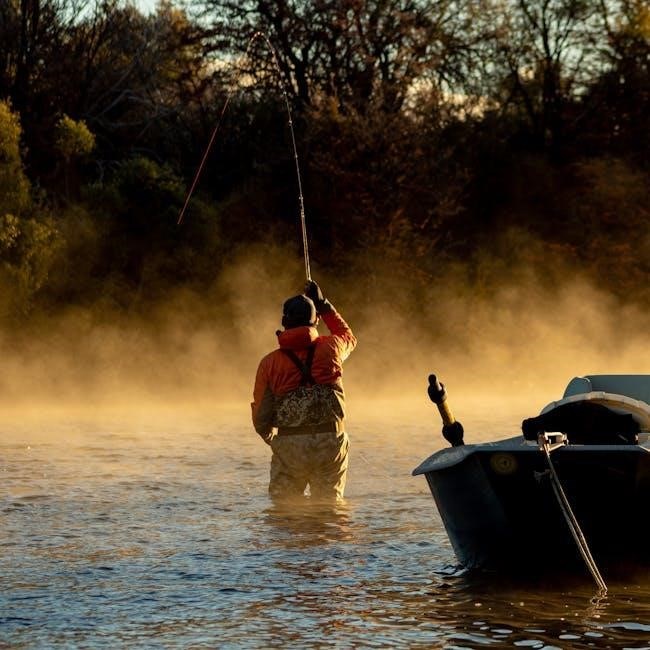
Furthermore, understanding business licensing regulations is vital. Depending on your operational structure (sole proprietorship, LLC, etc.), you’ll need to obtain the necessary permits and licenses from state and local authorities. Maintaining meticulous records of income and expenses is crucial for tax purposes. Consulting with a legal professional specializing in small business and outdoor recreation is a wise investment to ensure full compliance.
Insurance Requirements
Comprehensive insurance coverage is non-negotiable for any aspiring fly fishing guide. General liability insurance protects against third-party claims of bodily injury or property damage occurring during guided trips. This is essential, given the inherent risks associated with wading in rivers and handling fishing equipment.
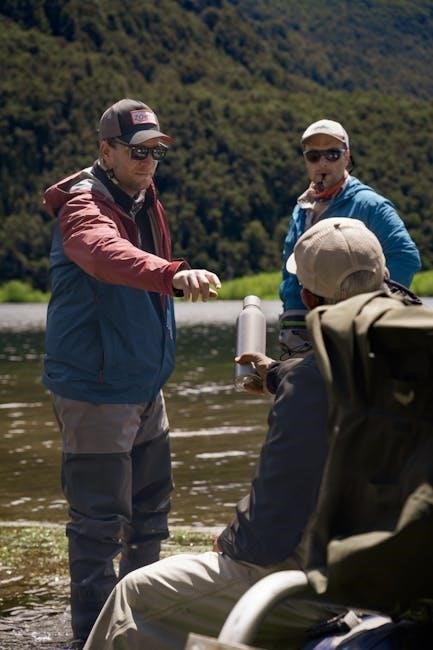
Professional liability insurance, also known as errors and omissions insurance, safeguards against claims of negligence or inadequate instruction. Consider supplemental coverage for equipment, vehicles used for transport, and even potential medical expenses for clients. Thoroughly research different insurance providers, comparing policy limits, deductibles, and specific exclusions. Documenting all client waivers and safety briefings is crucial for demonstrating due diligence in the event of a claim.
Business Licensing
Formalizing your fly fishing guide operation necessitates securing the appropriate business licenses. This process varies significantly depending on your business structure – sole proprietorship, partnership, or limited liability company (LLC). Begin by registering your business name with the Colorado Secretary of State. Subsequently, obtain a local business license from the county and/or municipality where you’ll be operating.
Depending on the scale of your operation, you may also require a sales tax license to collect and remit sales tax on guided trips. Investigate potential zoning regulations impacting your business location, particularly if you plan to operate from a home office. Consulting with a business attorney or accountant specializing in small businesses is highly recommended to ensure full compliance with all applicable state and local regulations.