
Overview of the Hanuman Chalisa English PDF
The Hanuman Chalisa is a 40‑verse devotional hymn honoring Lord Hanuman, revered for strength and devotion. English PDFs provide transliteration, meaning and commentary, in searchable PDF or ebook form, enabling global readers to study and chant.!
Definition and significance of the Hanuman Chalisa
The Hanuman Chalisa is a canonical devotional composition of forty verses (hence “Chalisa”) attributed to the 16th‑century poet‑saint Goswami Tulsidas, written in the Awadhi dialect. It comprises two introductory dohas, forty chaupais (quatrains), and a concluding doha, forming a complete liturgical unit. It opens with the declaration “Baranaun raghuvara vimala jasu, Jo daayaku phala chaari” — “I recount the spotless glory of Rama’s supreme servant, who bestows the four fruits of life.” The preamble insists on a spotless, serene mind purified by the dust of the Guru’s lotus feet before describing the unblemished glory of Sri Hanuman. Each stanza celebrates Hanuman as the remover of obstacles, a scholar of immense power and energy, and the perfect exemplar of selfless service to the Divine. Esoteric tradition asserts that all Beeja Mantras (seed syllables) are encoded within the forty chaupais and dohas, making the hymn a compact reservoir of mantric potency and an ideal of service. Reciting it is believed to confer protection from evil spirits and planetary afflictions, grant wisdom, strength, and ultimately liberation (moksha), fulfilling the fourfold human aims of dharma, artha, kama, and moksha. This profound theological density renders the Chalisa a daily spiritual anchor for millions worldwide seeking divine grace. Its rhythmic meter facilitates memorization and collective chanting, transforming individual piety into communal spiritual power; Devotees undertake forty‑day vows to invoke blessings, trusting the hymn’s power to dissolve karmic blocks, awaken divine consciousness!
Purpose of English translations
English translations of the revered Hanuman Chalisa serve a vital bridge function for the global diaspora and spiritual seekers who lack fluency in Awadhi or Devanagari script. The primary aim is to make the forty verses praising Lord Hanuman accessible for daily prayer and devotion without linguistic barriers. By providing precise Romanized transliteration, these PDFs enable accurate pronunciation of sacred syllables, preserving the vibrational integrity of the potent mantras embedded within the chaupais. Simultaneously, word-for-word meanings and contextual commentary unlock the theological depth — revealing Hanuman as the remover of obstacles and a scholar of immense power — transforming rote recitation into informed meditation. Digital formats like searchable PDFs, high-resolution images, and audio companions cater to modern lifestyles, allowing practitioners to integrate chanting into commutes, work breaks, or home altars via smartphones effortlessly. Furthermore, standardized English editions help maintain textual fidelity across disparate publications, reducing interpolation errors common in oral transmission. They also support academic study, comparative religion courses, and interfaith dialogue by presenting the hymn’s literary structure and devotional ethos in a lingua franca. Ultimately, these translations democratize the ideal of service encoded in the text, ensuring the Chalisa’s protective grace and profound wisdom reach every sincere heart regardless of mother tongue or background. This accessibility fosters a unified global community bound by shared reverence for the monkey-god’s boundless devotion, compassionate strength, and timeless wisdom, guiding countless souls toward profound spiritual liberation and inner peace through consistent daily practice and humble faith.
Common formats and distribution methods
The Hanuman Chalisa in English is most frequently offered as a downloadable PDF file, optimized for both screen reading and printing. High‑resolution PDFs preserve the original Hindi verses, line numbers, Romanized transliteration and English commentary in a single, searchable document. Many publishers also bundle the PDF with embedded audio links, allowing users to hear correct pronunciation while following the text. In addition to plain PDFs, the hymn appears in e‑book formats such as EPUB and MOBI, which adapt to e‑readers and smartphones, and in image‑based PDFs that retain ornamental borders and traditional artwork. Distribution channels include official religious organization websites, where the file is provided free of charge under a Creative Commons or similar license, and reputable digital libraries like archive.org that host verified copies. Commercial spiritual retailers often sell printed booklets derived from the same PDF source, ensuring consistency across print and digital media. Social media platforms and messaging apps are also used for rapid sharing, but users are advised to verify the source to avoid corrupted or mistranslated versions. Some temples host QR codes on their walls; scanning the code directs devotees to a secure download page, facilitating instant access during worship. Finally, cloud storage services such as Google Drive or Dropbox are employed by community groups to distribute the PDF to members who may have limited internet bandwidth.
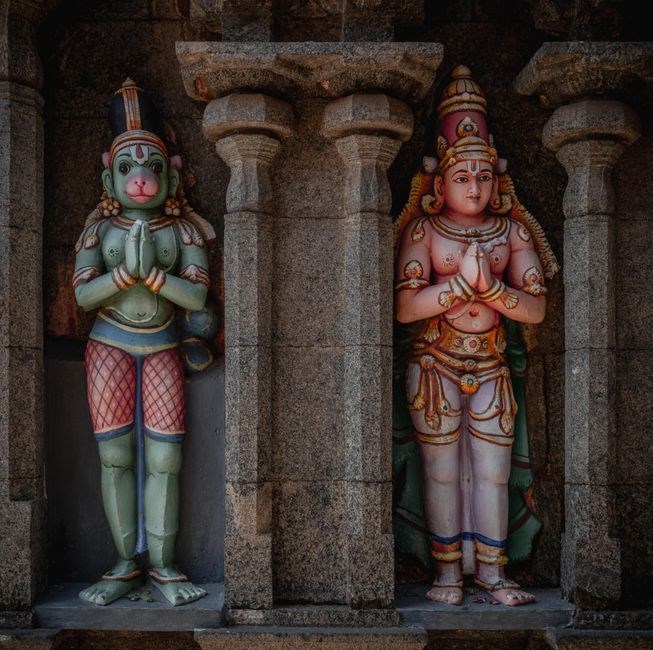
Where to Find Authentic English PDFs
Authentic PDFs are hosted on official temple websites, trusted repositories like archive.org, and major spiritual portals. Verify publisher credentials and transliteration quality before downloading to ensure accurate verses and meanings. Check for recent updates and user reviews to confirm authenticity of complete text.
Official religious organizations and publishers
Many reputable Hindu institutions publish the Hanuman Chalisa in English PDF format, ensuring both devotional authenticity and scholarly accuracy. The Ramakrishna Mission, for example, offers a free downloadable PDF on its official website that includes the original Hindi verses, a precise Romanized transliteration, and a line‑by‑line English commentary prepared by senior monks. Similarly, the International Society for Krishna Consciousness (ISKCON) provides a PDF through its global portal; the document is edited by recognized scholars, carries the ISKCON logo, and includes footnotes that explain cultural references and mythological context.
The Shri Hanuman Temple Trust in Mumbai releases an annually updated PDF that incorporates recent linguistic research and is distributed under a Creative Commons license, allowing devotees to print or share the file without legal concerns. Gita Press, a historic publisher of Hindu scriptures, has also entered the digital arena, offering a PDF that pairs the traditional Devanagari script with a modern English translation verified by its editorial board.
When selecting a PDF look for indications of issuing organization, such as a watermark, URL, and contact information.Authentic files usually include a version date, ISBN or catalog number, and a statement of translation methodology.These markers help distinguish genuine releases from unofficial copies that may contain errors in transliteration or omitted verses.

Trusted online repositories (e.g., archive.org, spiritual sites)
Several reliable digital libraries host high‑quality Hanuman Chalisa English PDFs for free download. The Internet Archive (archive.org) maintains multiple scanned editions, including versions from Gita Press and the Ramakrishna Mission, complete with original Devanagari, Roman transliteration, and scholarly commentary; each item displays metadata such as publication year, publisher, and download counts, allowing users to verify authenticity before downloading.
Spiritual platforms like Sacred‑Texts.com and Hinduwebsite.com curate PDFs that have been proofread by volunteers and often include side‑by‑side Hindi and English columns, making them ideal for comparative study. The official ISKCON repository (iskcon.org) offers a PDF vetted by their editorial board, featuring color‑coded verses for pronunciation guidance and embedded audio links.
University digital collections, such as the University of Toronto’s Religion Archive, provide academic editions with critical apparatus and variant readings. When using these repositories, check for a stable URL, clear licensing (Creative Commons or public domain), and a version history to ensure you are accessing the most corrected release. Avoid unverified file‑sharing sites that may embed malware or altered texts. Always confirm the file checksum if provided to guarantee integrity and completeness.
Researchers cross‑reference multiple PDFs to spot transliteration discrepancies. Prioritize repositories with version logs and community forums, indicating ongoing quality assurance and scholarly oversight for the sacred text.

Evaluating accuracy and transliteration quality
When selecting a Hanuman Chalisa English PDF, the first step is to verify that the Hindi verses match a reputable source such as the Gita Press edition or the original manuscript held by the Ramakrishna Mission. Compare the Devanagari lines with the Romanized transliteration; reliable PDFs use a one‑to‑one mapping, preserving diacritical marks for long vowels (ā, ī, ū) and indicating consonant clusters (ṭh, dh). Look for a consistent transliteration scheme—most scholars adopt the International Alphabet of Sanskrit Transliteration (IAST) or a simplified Harvard‑Kerala system. Cross‑check a sample of ten verses against an independent reference, for example the version hosted on archive.org, to spot omissions or altered spellings.
Quality PDFs also provide footnotes that explain rare words, contextual idioms, and grammatical nuances. These notes should cite the commentator’s name and edition, allowing readers to trace the interpretive lineage. If the PDF includes a commentary column, verify that the English meaning aligns with the literal translation; discrepancies often arise when a translator prioritizes poetic flow over literal fidelity.
Technical checks such as searchable text, metadata listing creator and date, and checksum verification (MD5 or SHA‑256) help confirm file integrity. Community ratings guide trustworthy use for daily studynow This guidance helps ensure readers engage with a trustworthy version of the sacred hymn for scholars now
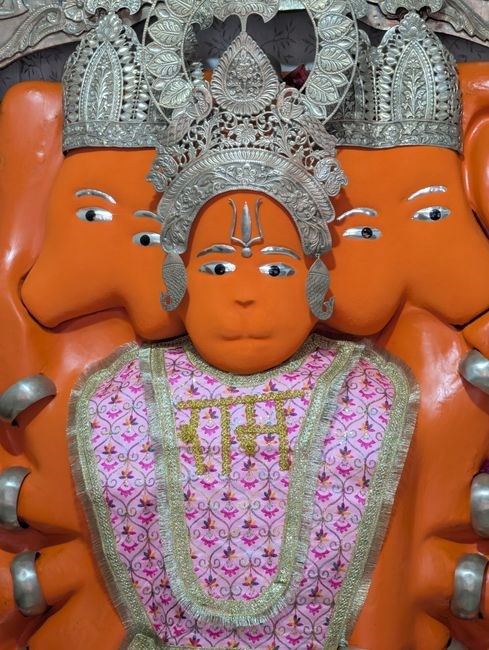
Structure and Features of a Typical PDF
Typical PDFs display 40 verses with Devanagari, Roman transliteration, and English meaning in parallel columns. Features include line numbers, searchable text, bookmarks, print‑ready A4 layout, mobile scaling, and occasional audio links or commentary footnotes for studies.
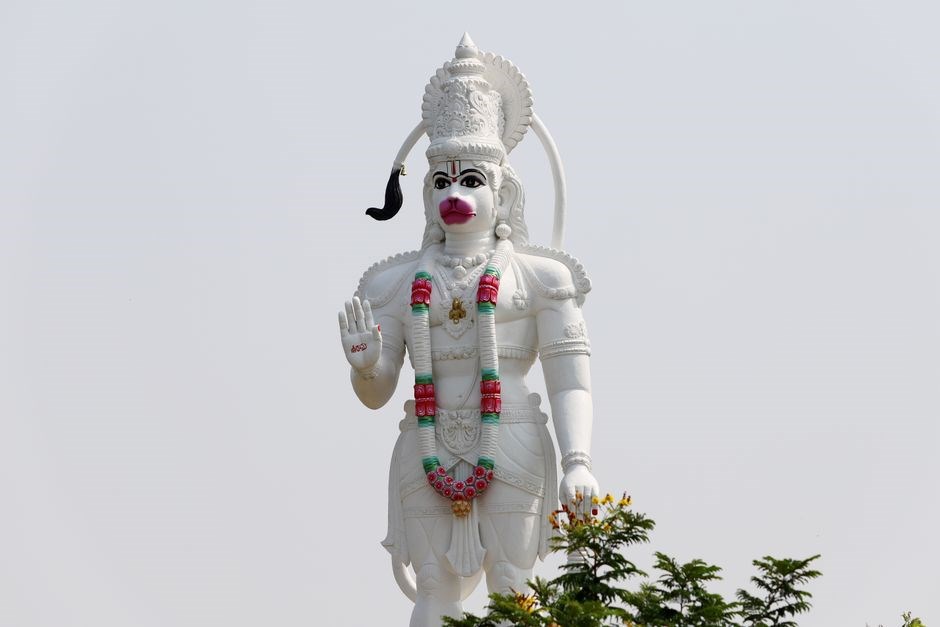
Original Hindi verses and line numbers
Authentic PDFs prioritize the pristine Devanagari text of the Hanuman Chalisa, presenting the two introductory Dohas, forty Chaupais, and concluding Doha in their traditional sequence. Each verse receives a precise line number, often mirroring the Gita Press or other standard critical editions, allowing scholars and devotees to cross-reference commentaries effortlessly. The Unicode-compliant Hindi font renders every matra, halant, and conjunct consonant with typographic fidelity, ensuring the sacred phonetics remain uncorrupted across devices. Line numbers typically appear in the left margin or as superscript prefixes, facilitating quick navigation during group recitation or academic citation. High-resolution PDFs embed the font subset, guaranteeing that the original Sanskritized Awadhi vocabulary displays identically on mobile screens, desktop readers, or printed A4 sheets without substitution artifacts. Some editions include a parallel apparatus criticus noting variant readings from manuscript traditions, though the vulgate Tulsidas version remains dominant. The layout preserves the poetic meter (Chaupai meter of four feet) visually, often breaking lines at caesuras to aid rhythmic reading. This meticulous attention to the source script establishes the PDF as a reliable digital surrogate for the physical text, supporting both devotional integrity and philological research without relying on transliteration layers. Guaranteeing exact syllable counts and verse
Romanized transliteration for pronunciation
Quality English PDFs of the Hanuman Chalisa invariably include a Romanized transliteration layer, enabling devotees unfamiliar with Devanagari to articulate the Awadhi verses accurately. Most editions adopt a simplified phonetic scheme—often resembling IAST but omitting diacritical dots for retroflex and aspirated consonants—to maximize readability on small screens; others provide a dual system showing both strict IAST with macrons and a user‑friendly “Roman English” version side by side. Each Chaupai appears directly beneath or beside its Hindi counterpart, preserving line‑for‑line correspondence so the eye can jump instantly between script and sound. Special attention marks the anusvara, visarga, and halant positions, while capital letters frequently signal stressed syllables or long vowels (ā, ī, ū) to guide meter. Footnotes explain sandhi junctions where words merge in recitation, preventing common mispronunciations such as “bajrang” versus “bajraṅg.” The transliteration also aids comparative study, letting linguists trace Tulsidas’s lexical choices without mastering the script. Mobile‑optimized PDFs wrap the Roman text responsively, ensuring no line breaks mid‑word, and some interactive files embed audio icons beside each verse for real‑time listening. This meticulous phonetic mapping transforms the document into a practical sadhana tool, bridging linguistic barriers while safeguarding the hymn’s vibrational integrity for global practitioners seeking authentic recitation. Advanced editions may offer ITRANS or Harvard‑Kyoto mappings for computational processing, ensuring the sacred sounds remain accessible across platforms. Devs verify Unicode compliance now.
English meaning, commentary, and footnotes
Comprehensive English PDFs of the Hanuman Chalisa embed verse‑by‑verse exegesis, contextual commentary, and scholarly footnotes illuminating Tulsidas’s Awadhi poetry. Each of the forty Chaupais receives a literal gloss and poetic rendering, preserving semantic precision and devotional sentiment; epithets like “sankat mochan” (remover of distress) and “buddhiheen tanu janike” (knowing my intellect weak) are unpacked with theological nuance from Ramananda and Vallabha sampradaya commentaries; Footnotes cross‑reference Ramcharitmanas and Valmiki Ramayana passages, clarifying allusions such as Hanuman’s leap to Lanka or the Sanjivani herb retrieval. Editions include word‑for‑word anvaya breakdowns showing grammatical cases, aiding Sanskrit students. Comparative columns juxtapose Gita Press, Swami Sivananda, and academic translations, highlighting interpretive divergences. Marginal notes detail ritual observances: optimal recitation times (dawn, dusk), prescribed counts (11, 108), and embedded beeja mantras. Digital PDFs hyperlink footnotes to appendices with Sanskrit glossaries, Tulsidas biographies, and Hanuman iconography. This layered apparatus serves both daily parayana and academic research while maintaining reverential fidelity. Publishers ensure Unicode compliance for diacritics.Advanced search enables verse location, while responsive layouts adapt to desktop and mobile screens for uninterrupted sadhana. This accessibility honors Chalisa’s appeal across boundaries.

Using the PDF for Devotion and Study
The English Hanuman Chalisa PDF lets devotees read verses on any device, practice pronunciation, print clean sheets, and bookmark sections. Mobile‑friendly layouts support daily recitation, while copyright notes remind users to share responsibly,ethically.

Reading strategies and pronunciation practice
Effective use of the Hanuman Chalisa English PDF begins with a structured reading approach tailored to digital formats. Start by scanning the document to locate the transliteration section, usually presented in Romanized Sanskrit with diacritical marks alongside the original Devanagari script. Read the English translation first to grasp the devotional context and narrative flow of the forty verses. Next, focus intensely on pronunciation: break each verse into manageable phrases, utilizing the PDF’s line numbers and bookmarks as checkpoints. Many high-quality PDFs include specific diacritical marks indicating long vowels (ā, ī, ū), retroflex consonants (ṭ, ḍ, ṇ), and visarga (ḥ) or anusvara (ṃ); pay close attention to these for accurate recitation. Practice chanting slowly, synchronizing breath with the natural meter (anustup chanda). Use the PDF reader’s search function to isolate difficult verses or specific Sanskrit terms for repetitive drilling. Consider pairing the visual text with audio recordings from trusted spiritual sites to mimic intonation, rhythm, and sandhi rules. Highlight or annotate tricky consonant clusters directly in the PDF reader using built-in markup tools. Schedule consistent daily sessions, perhaps covering five verses per sitting, to build muscle memory. Leverage zoom and reflow features for comfortable reading on mobile screens. Over time, transition from reading the transliteration to recalling verses from memory, using the PDF only for verification. This layered method—comprehension, phonetic breakdown, auditory modeling, and spaced repetition—transforms the static document into a dynamic tool for spiritual mastery and linguistic precision. Compare translations for deeper meaning. Record your chant to spot errors versus audio guides. Enable night mode for dawn sessions. Consistency brings mastery.
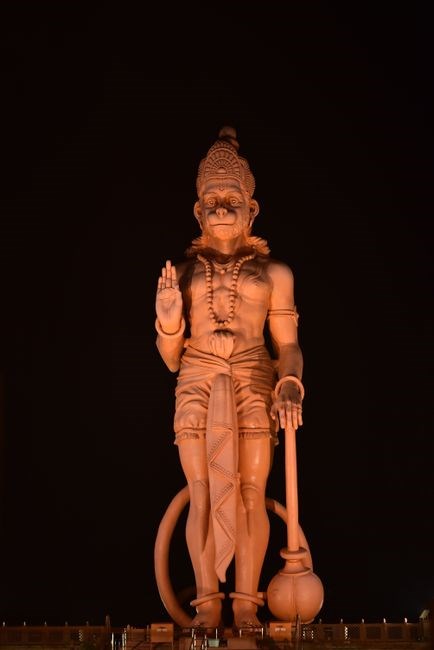

Printing, formatting, and mobile‑friendly options
Optimizing the Hanuman Chalisa English PDF for various devices ensures seamless devotion whether at a home altar or during travel. For printing, select high‑resolution PDFs (300 DPI minimum) with embedded fonts to preserve Devanagari glyphs and diacritical marks; choose “Fit to Printable Area” to prevent clipping of verse numbers or footnotes. Duplex printing on A5 or half‑letter paper creates a compact booklet; use heavier stock (120 GSM) for durability and a tactile feel during japa. Many PDFs offer a “booklet” print mode that automatically arranges pages for folding and stapling. For digital reading, prioritize reflowable EPUB versions or tagged PDFs that adapt to screen orientation; enable “Reflow” or “Liquid Mode” in Adobe Reader or Apple Books to resize Sanskrit transliteration without horizontal scrolling. Adjust font size and line spacing for comfortable chanting on phones—minimum 16pt for Roman text, 18pt for Devanagari. Dark mode or sepia themes reduce eye strain during pre‑dawn recitation. Bookmark the invocation, each chaupai, and the concluding doha for instant navigation. Offline access is critical: download files to local storage rather than relying on cloud viewers. Verify checksum (SHA‑256) against the publisher’s site to ensure file integrity. Some repositories provide split PDFs—one for text, one for commentary—to minimize memory usage on older devices. Consider printing a laminated pocket card of the first and last verses for quick reference. Always respect copyright: distribute only freely licensed versions from official ashrams or public domain archives. Test print a single page first to confirm alignment of verse numbers and translation columns. Use PDF compression tools cautiously; lossy compression may blur diacritics essential for pronunciation. Keep a master archival copy on external media. Regularly update files from source sites for corrected errata. Sync across devices via encrypted cloud for backup.!
Legal and ethical guidelines for distribution
Distributing the Hanuman Chalisa English PDF requires careful adherence to copyright law and spiritual etiquette. Most modern translations, commentaries, and specific layout designs are intellectual property of publishers like Gita Press, Chinmaya Mission, or individual scholars; verify the license—Creative Commons, public domain, or “free for personal use only”—before sharing. Commercial resale of downloaded PDFs is universally prohibited. Ethically, the text is sacred scripture; avoid altering verses, omitting invocations, or inserting advertisements within the hymn body. Attribute the translator and source organization prominently in any redistribution. Do not host files on ad‑heavy platforms that exploit devotion for revenue. Password‑protecting or encrypting freely licensed PDFs contradicts the spirit of open access. When printing for temples, ensure paper quality respects the deity’s name; never discard worn copies in trash—follow traditional disposal like immersion or burning. Seek permission from living authors for derivative works, such as audio overlays or app integrations. Respect regional laws on religious content distribution. Digital watermarks tracing back to the original downloader deter unauthorized commercial printing. Encourage users to download directly from official ashram sites to support their maintenance. Sharing via private messaging for personal study is generally acceptable; mass mailing lists require explicit opt‑in. Preserve the integrity of diacritical marks and verse numbering in every copy. Verify license version in PDF metadata before redistribution. Modification of transliteration violates moral rights. Consider donating to the ashram. Ensure copies retain publisher’s copyright notice and contact details now.!