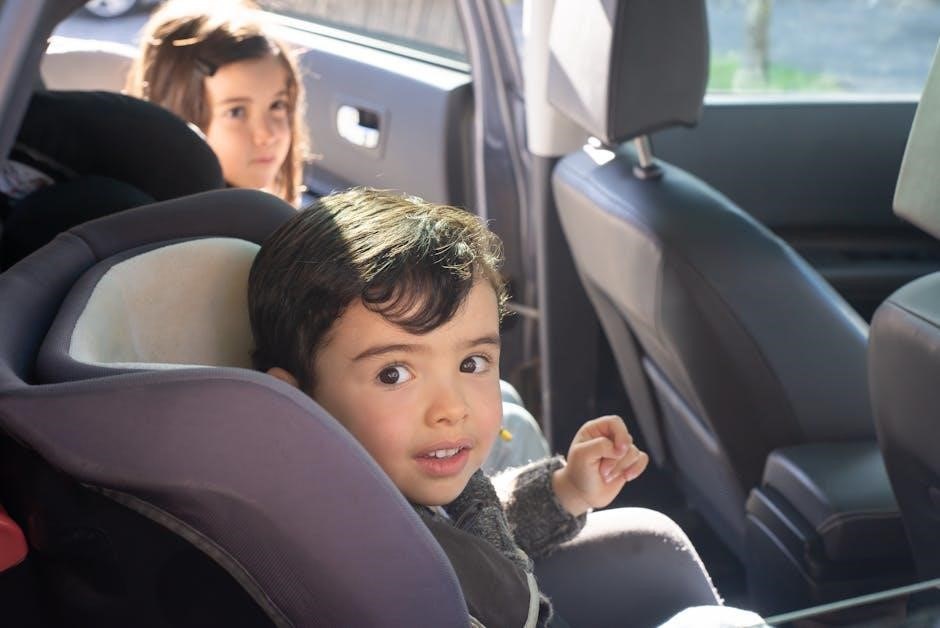
Cosco Scenera Car Seat Manual: A Comprehensive Guide
Navigating car seat safety requires diligent study of the manual; the Cosco Scenera offers reliable protection, and understanding its features is paramount for secure travel.
The Cosco Scenera is a popular choice for parents seeking an affordable and reliable car seat, known for its compact design and ease of use. This guide provides a comprehensive overview of the Scenera, ensuring proper installation and usage for optimal child safety. It’s designed to be a straightforward resource, helping you understand all aspects of this car seat, from initial setup to routine maintenance.
The Scenera is engineered to meet stringent safety standards, offering peace of mind during every journey. Understanding its features and limitations is crucial. This manual will detail the different modes – rear-facing and forward-facing – and the specific requirements for each. Proper use, adhering to weight and height restrictions, is vital for maximizing protection. We will also cover cleaning procedures and identifying model variations.
Understanding the Scenera’s Safety Features
The Cosco Scenera prioritizes child safety through several key design elements. Its five-point harness system securely distributes crash forces across the child’s shoulders and hips, minimizing injury risk. The Scenera’s rigid shell construction provides robust protection in the event of a collision, exceeding federal safety standards. Side-impact protection is integrated into the design, offering additional safeguarding.
Furthermore, the Scenera features energy-absorbing foam for enhanced impact absorption. Understanding the limitations of any car seat is vital; the Scenera is designed for specific weight and height ranges. Correct installation, utilizing either LATCH or the vehicle’s seatbelt system, is paramount to activating these safety features effectively. Regular inspection of the harness and shell ensures continued reliability and optimal protection for your child.
Installation Methods
Proper installation is crucial for the Scenera’s effectiveness; the manual details both Rear-Facing and Forward-Facing options. Utilizing the Lower Anchors and Tethers for Children (LATCH) system provides a secure connection, if your vehicle is equipped. Alternatively, vehicle seatbelts can be used for installation, ensuring a tight fit without excessive movement – less than one inch side-to-side or front-to-back.
Always consult your vehicle’s owner’s manual for compatibility and specific installation instructions. The Scenera includes built-in belt lock-offs to aid in secure seatbelt installation. Double-check the installation after each use, and periodically re-evaluate as the child grows. A correctly installed car seat remains stable and minimizes risk during a collision, safeguarding your precious passenger.
Rear-Facing Installation
For infants and young toddlers, rear-facing is the safest position; the Cosco Scenera manual emphasizes correct recline angle adjustment. Ensure the recline indicator is properly positioned to support the child’s head and neck. Utilize either the LATCH system or the vehicle’s seatbelt, following the manual’s detailed steps for each method.
When using LATCH, confirm secure attachment at both lower anchor points and the top tether (if applicable). With seatbelts, engage the lock-off feature and tighten until the seat doesn’t move more than an inch side-to-side or front-to-back. Regularly check tightness, especially after adjustments. Rear-facing provides optimal protection for smaller children, distributing crash forces more effectively.
Forward-Facing Installation
Transitioning to forward-facing requires careful attention to height and weight limits; consult the Cosco Scenera manual for specific guidelines. Utilize both the LATCH system and the top tether for maximum stability – the tether significantly reduces head excursion in a crash. If using the seatbelt, ensure the lock-off feature is engaged and the belt lies flat across the child’s shoulder.
Verify the car seat is securely installed, with minimal movement (less than an inch side-to-side or front-to-back). Regularly inspect the installation, particularly after vehicle use. Proper forward-facing installation, combined with the top tether, provides crucial protection as your child grows, maintaining safety standards.
Harness System and Adjustments
The Cosco Scenera’s five-point harness is critical for restraint; always ensure a snug fit. Regularly check the harness straps for proper positioning – they should originate at or below the child’s shoulders when forward-facing, and at or above the shoulders when rear-facing. Adjust the harness height as your child grows, utilizing the designated slots.
The chest clip must be positioned at armpit level to effectively distribute crash forces. Never add padding or aftermarket products to the harness. A properly adjusted harness prevents ejection and minimizes injury during a collision, providing optimal protection for your little one. Consistent checks are vital for continued safety.
Adjusting the Harness Height
Proper harness height is crucial for optimal safety with the Cosco Scenera. Locate the harness adjustment slots on the car seat’s back. To raise the harness, depress the red release button located near the buckle and simultaneously pull the straps upwards through the desired slots. Ensure both sides are adjusted to the same height.
For rear-facing, straps should be at or below the shoulders. When transitioning to forward-facing, move the straps to the slots at or above the shoulders. Regularly check and adjust as your child grows – a correctly positioned harness maximizes protection. Never force the straps; smooth adjustment ensures proper function and safety.
Buckling and Unbuckling the Harness
Securing your child correctly involves mastering the Cosco Scenera’s harness system. To buckle, firmly push the red harness connector pieces into the buckle until a distinct ‘click’ is heard. Ensure both sides are securely fastened; To unbuckle, press the central release button on the buckle – never attempt to pull the straps directly.
Always check the harness for tightness after buckling; it should not have any slack. A snug fit is vital for impact protection. Regularly inspect the buckle for proper function. Before each journey, confirm the harness is correctly fastened and adjusted. Practice buckling and unbuckling to become proficient.
Cleaning and Maintenance
Maintaining a clean Cosco Scenera car seat is crucial for hygiene and longevity. Regular cleaning prevents the buildup of dirt and spills. For minor messes, use a damp cloth with mild soap and water. Avoid harsh chemicals or abrasive cleaners, as these can damage the fabric or plastic components.
The fabric cover is often removable and machine washable – always check the manual for specific washing instructions. Allow the fabric to air dry completely before reinstalling. Plastic parts can be wiped clean with a damp cloth. Inspect the harness straps regularly for wear and tear, and replace if necessary. Proper maintenance ensures continued safety and comfort.
Fabric Care
The Cosco Scenera’s fabric cover requires specific care to maintain its integrity and cleanliness. Before washing, always consult the car seat manual for detailed instructions, as washing procedures can vary between models. Generally, the fabric cover is removable and machine washable on a gentle cycle using mild detergent.
Avoid using bleach or harsh chemicals, as these can discolor or weaken the fabric. After washing, allow the cover to air dry completely – do not place it in a dryer, as heat can cause shrinkage or damage. Ensure the fabric is thoroughly dry before reinstalling it onto the car seat frame to prevent mildew growth. Regular fabric care contributes to a hygienic and comfortable ride.
Plastic Component Cleaning
Maintaining the plastic components of your Cosco Scenera car seat is crucial for hygiene and longevity. Regularly wipe down the plastic parts – including the shell, buckle, and harness adjusters – with a damp cloth and mild soap solution. Avoid abrasive cleaners, as they can scratch or damage the plastic surface.
For stubborn stains or sticky residue, a diluted solution of baking soda and water can be effective, but test it on an inconspicuous area first. Never submerge the car seat or its plastic components in water. Ensure all cleaning solutions are thoroughly rinsed away with a clean, damp cloth, and allow the plastic to air dry completely before use. Proper plastic component care ensures a safe and durable car seat.
Scenera Model Variations & Identifying Your Model
The Cosco Scenera has seen several iterations over the years, with slight variations in features and design. Identifying your specific model is vital for accessing the correct manual and safety information. Locate the white label typically found on the car seat’s back or underside; this label contains the manufacturing date and model number.
Common Scenera models include the original Scenera, the Scenera Next, and updated versions with enhanced fabrics or harness systems. Cosco frequently updates its products, so the model number is the most reliable identifier. Referencing the model number on the Cosco website or contacting their customer support will confirm your specific Scenera version and provide the appropriate documentation.
Troubleshooting Common Issues
Occasionally, users encounter challenges with the Cosco Scenera. A frequent issue is harness strap twisting, often resolved by fully releasing the harness, re-threading it correctly, and ensuring it isn’t twisted during buckling. Difficulty achieving a secure installation is another common concern; double-check the LATCH connector attachments or the vehicle seatbelt path.
Ensure the car seat doesn’t move more than one inch side-to-side or front-to-back when tested at the belt path. If instability persists, try a different installation location in the vehicle. Review the manual’s installation section carefully, and consider seeking assistance from a certified Child Passenger Safety Technician (CPST) for complex issues.
Harness Strap Twisting
A common frustration with the Cosco Scenera is twisted harness straps. This typically occurs during use or when adjusting the harness. To resolve this, completely release the harness system by pressing the release button. Carefully examine each strap, ensuring no twisting is present before re-threading it through the buckle and shoulder slots.
Ensure the straps lie flat and aren’t crossed or overlapping. When re-buckling, guide the straps to prevent twisting. Regularly check for twisting during use, especially after adjustments. If twisting recurs, consider if the child’s movements are contributing and adjust positioning. A properly aligned, untwisted harness is crucial for optimal safety.
Difficulty Installing Securely
Encountering challenges with a secure Cosco Scenera installation is not uncommon. First, meticulously review the installation instructions in the manual, ensuring you’ve selected the correct method for your vehicle (LATCH or seatbelt). Confirm the car seat is level; an incorrect recline angle can hinder a tight fit.
Apply significant downward force while tightening the LATCH straps or seatbelt. If using the seatbelt, lock the shoulder belt to prevent loosening. Try different seating positions in your vehicle – some may offer a more secure installation. If persistent difficulty arises, consult a Certified Child Passenger Safety Technician (CPST) for personalized guidance and verification of proper installation.
Safety Regulations and Compliance
The Cosco Scenera car seat is engineered to meet or exceed all applicable U.S. Federal Motor Vehicle Safety Standards. This includes rigorous crash testing and adherence to guidelines set by the National Highway Traffic Safety Administration (NHTSA). Compliance ensures the seat provides a defined level of protection in the event of a collision.
Parents should verify the Scenera model is appropriate for their child’s weight and height, as outlined in the manual. Regularly check for any recalls issued by Cosco or NHTSA, and promptly address any safety notices. Proper usage, following the manual’s instructions, is crucial for maintaining compliance and maximizing safety for your child during every journey.
Expiration Dates and Seat Lifespan
The Cosco Scenera car seat, like all car seats, has a limited lifespan to ensure optimal safety. Typically, the Scenera has a lifespan of 6-10 years from the date of manufacture, not the date of purchase. This is due to plastic degradation and potential wear and tear on internal components over time.
Locate the manufacture date sticker on the seat itself to determine its expiration. Even without visible damage, the seat’s structural integrity may diminish with age. Discontinue use after the expiration date and replace it with a new, compliant model. Following these guidelines guarantees your child receives the maximum protection possible during travel.
Cosco Scenera Recall Information (If Applicable)
Staying informed about potential recalls is crucial for your child’s safety. As of today, March 30, 2026, there are no currently active, widespread recalls affecting the Cosco Scenera car seat model. However, recall information can change, so diligent monitoring is essential.
Regularly check the National Highway Traffic Safety Administration (NHTSA) website (nhtsa.gov/recalls) using your car seat’s model number to confirm its recall status. You can also sign up for email alerts from Cosco or NHTSA to receive immediate notification of any future recalls. Prioritizing recall checks demonstrates a commitment to your child’s well-being during every journey.
Finding the Official Cosco Scenera Manual
Accessing the official Cosco Scenera manual is vital for correct installation and usage. Cosco provides several convenient avenues for locating your car seat’s documentation.
Online Manual Access: Visit the Cosco website (coscojuvenile.com) and navigate to the ‘Support’ or ‘Manuals’ section. Search for your specific Scenera model number to download a PDF version of the manual. This allows for easy viewing on any device. Contacting Cosco Customer Support: If you encounter difficulties finding the manual online, reach out to Cosco’s customer service team directly via phone or email. Their contact information is readily available on their website, ensuring prompt assistance;
Online Manual Access
Locating your Cosco Scenera manual online is a quick and convenient option. Begin by visiting the official Cosco Juvenile website – coscojuvenile.com. Navigate to the ‘Support’ section, often found at the bottom of the homepage, or search directly for ‘Manuals’ using the site’s search bar.
Once in the manuals section, you’ll likely need your Scenera model number to refine your search. This number is typically found on a label affixed to the car seat itself. Download the PDF version of the manual for easy access and viewing on your computer, tablet, or smartphone. Ensure you have a stable internet connection for a smooth download process.
Contacting Cosco Customer Support
If you require personalized assistance or cannot locate the information you need online, Cosco Juvenile offers several avenues for contacting their customer support team. You can reach them via phone during business hours; check the Cosco website (coscojuvenile.com) for the most up-to-date contact number, as it may vary.
Alternatively, Cosco often provides a ‘Contact Us’ form on their website, allowing you to submit your query electronically. Be prepared to provide your Scenera model number and a detailed description of your issue. Expect a response within a reasonable timeframe, typically a few business days. Prompt and helpful support is a key benefit of choosing Cosco products.

Frequently Asked Questions (FAQs)
Is the Cosco Scenera suitable for newborns? Yes, the Scenera is designed for infants as small as 5 pounds, offering a secure and comfortable ride from the very beginning. Can I use the Scenera on an airplane? Absolutely! The Scenera is FAA-approved for use in aircraft, making it a convenient travel companion.
How often should I check the harness straps? Regularly inspect the straps for wear and tear, and always ensure they are properly adjusted. What is the weight limit for the Scenera? The forward-facing weight limit is 40 pounds, while the rear-facing limit is 40 pounds. Where can I find the expiration date? It’s typically located on a sticker affixed to the car seat itself.
Resources for Additional Car Seat Safety Information
For comprehensive car seat guidance, the National Highway Traffic Safety Administration (NHTSA) offers invaluable resources at nhtsa.gov, including safety ratings and recall information. Safe Kids Worldwide (safekids.org) provides expert advice on proper installation and usage, alongside local inspection events.
The American Academy of Pediatrics (aap.org) delivers evidence-based recommendations for child passenger safety, covering best practices and developmental considerations. Cosco’s official website (coscojuvenile.com) features a dedicated support section with FAQs, manuals, and contact details. Remember, professional car seat inspections are available through certified Child Passenger Safety Technicians (CPSTs) – locate one near you via the NHTSA website to ensure optimal safety for your little one.