
Discover how the popular English Grammar in Use PDF guides learners through clear explanations‚ engaging examples‚ and practical exercises. Its concise layout and user-friendly design make mastering grammar accessible for all levels‚ from beginners to advanced students. Enjoy learning! and practice. Now

Overview of the Book
English Grammar in Use PDF offers a comprehensive yet approachable guide‚ blending concise explanations with illustrative examples. Its structured layout helps learners progress from basic structures to more complex usage‚ making it a valuable resource for self-study or classroom support. for learners!
Author and Publication History
English Grammar in Use was created by renowned linguist Raymond Murphy‚ who first published the original edition in 1985. Murphy‚ a former teacher at the University of Cambridge‚ designed the book to bridge the gap between academic grammar studies and everyday language use. The initial release quickly gained popularity among teachers and learners worldwide due to its clear‚ concise explanations and engaging practice exercises. Over the years‚ the book has undergone several significant revisions to reflect evolving language usage and pedagogical research. The second edition appeared in 1991‚ incorporating updated examples and additional exercises that addressed common learner difficulties. In 2000‚ the third edition was released‚ featuring a new layout that improved readability and a stronger emphasis on contextualized learning. Subsequent editions in 2007‚ 2010‚ and 2015 introduced further refinements‚ including a greater focus on digital resources and interactive activities. The most recent edition‚ published in 2020‚ integrates contemporary language trends‚ such as the use of inclusive language and the rise of digital communication forms. Throughout its publication history‚ Murphy has collaborated with a team of editors and language experts to ensure that each edition remains both accurate and pedagogically sound. The book’s enduring success is a testament to Murphy’s commitment to making grammar accessible‚ engaging‚ and relevant for learners at all levels. Its widespread use in classrooms‚ language schools‚ and self‑study programs underscores its status as a foundational resource in English language education worldwide. Students praise its structure practical focus making it a staple in modern English curricula. Its impact on teaching methods learner confidence continues to inspire educators worldwide!

Edits and Updates Over the Years
Since its first edition‚ English Grammar in Use has seen a series of thoughtful revisions that keep the material fresh and aligned with contemporary language practice. The 1991 update introduced clearer explanations for verb tenses and added a new section on modal verbs‚ reflecting feedback from teachers who noted frequent confusion in that area; In 2000‚ the third edition expanded the scope of practice exercises‚ incorporating more real‑world contexts such as email writing and social media communication. The 2007 revision brought a redesigned layout‚ with larger fonts and color‑coded grammar points to aid visual learners. The 2010 edition added a companion website featuring interactive quizzes and downloadable worksheets‚ acknowledging the growing importance of digital resources in language learning. The 2015 update focused on inclusive language‚ revising examples to avoid gender bias and incorporating contemporary slang to maintain relevance. The latest 2020 edition integrates AI‑driven suggestions for personalized practice‚ reflecting advances in educational technology. Each edition also benefits from rigorous peer review‚ ensuring that explanations remain accurate and pedagogically sound. Collectively‚ these updates demonstrate a commitment to continuous improvement and responsiveness to the evolving needs of English learners worldwide. By refreshing examples‚ the authors keep the book current‚ giving learners practice that mirrors everyday language use and enhances real‑world communication.!

Structure of the Book
English Grammar in Use is organized into two main parts: Part 1 covers foundational topics such as articles‚ nouns‚ and basic verb forms‚ while Part 2 delves into complex structures like conditionals‚ passive voice‚ and reported speech. Each chapter ends with targeted practice exercises. It is useful.
Part 1 – Grammar Basics
English Grammar in Use PDF begins with essential building blocks that form the backbone of the language. The first section introduces articles‚ determiners‚ and noun phrases‚ explaining how to choose between “a‚” “an‚” and “the” with clear‚ step‑by‑step examples. It then moves to verb tenses‚ covering simple present‚ past‚ and future forms‚ and demonstrates how to form questions and negatives. Pronouns are tackled next‚ with a focus on subject‚ object‚ and possessive forms‚ including gender‑neutral options. Adjectives and adverbs are compared‚ highlighting placement rules and comparative structures. The PDF also covers prepositions of place and time‚ conjunctions that link clauses‚ and modal verbs that express possibility and obligation. Each chapter ends with targeted exercises that reinforce the concepts‚ and the PDF format allows learners to annotate‚ bookmark‚ and search for specific rules on the go. This structured approach ensures that readers build a solid foundation before moving into more advanced topics. The PDF format also includes interactive quizzes‚ audio pronunciations‚ and printable worksheets‚ allowing learners to test their understanding in multiple ways. Additionally‚ the book offers a companion website with downloadable resources‚ forums for discussion‚ and a mobile app for on‑the‑go practice‚ making it a comprehensive tool for mastering English grammar. Readers can also use the built‑in flashcards and spaced repetition tools to reinforce learning‚ ensuring long‑term retention of grammar rules!!!!

Part 2 – Advanced Topics
Part 2 of the English Grammar in Use PDF focuses on complex structures that refine advanced language skills. It covers conditional clauses (zero‚ first‚ second‚ third‚ mixed) with clear tables and examples that show subtle meaning shifts. Reported speech is examined in depth‚ including tense changes‚ pronoun adjustments‚ and modal verb usage‚ with practice dialogues for transformation. The passive voice is explored beyond basic forms‚ covering causative constructions‚ passive‑reported speech‚ and adjective clauses. Relative clauses are detailed‚ distinguishing defining and non‑defining types‚ pronoun omission‚ and relative pronoun usage in formal contexts. Advanced punctuation is addressed through commas‚ semicolons‚ colons‚ and dashes‚ with rules for compound sentences‚ appositives‚ and introductory phrases. The PDF introduces idiomatic expressions‚ phrasal verbs‚ and collocations‚ offering contextualized examples and mnemonic aids. Each subsection ends with targeted exercises‚ self‑assessment quizzes‚ and downloadable worksheets that support spaced repetition. Interactive features—highlighting‚ note‑taking‚ hyperlink navigation—allow quick reference. The companion website hosts video explanations and a community forum‚ while the mobile app syncs progress‚ making advanced grammar accessible anytime‚ anywhere. This module equips users to write and speak with nuance‚ confidence‚ and stylistic sophistication. Readers can also explore optional modules on business English‚ academic writing‚ and exam preparation‚ each offering targeted practice and world scenarios.

PDF Availability
The PDF can be accessed through official educational portals‚ reputable e‑book vendors‚ and library digital services. Users should verify authenticity‚ avoid pirated copies‚ and respect licensing terms. Many sites offer secure download links or cloud‑based viewing options Download with a secure token
Official PDF Sources
For those seeking a reliable copy of the English Grammar in Use PDF‚ the most trustworthy channels are the publisher’s own platforms and licensed distributors; Cambridge University Press hosts the official digital edition on its website‚ where users can purchase or access the file through a subscription to the Cambridge e‑learning portal. Major e‑book retailers such as Amazon‚ Google Books‚ and Barnes & Noble offer the PDF as part of their digital libraries‚ provided the buyer has a valid account and the correct regional permissions. Many university libraries now provide institutional access to the PDF via their online catalogues; students and staff can log in with their institutional credentials to download or view the document in a secure environment. Additionally‚ the official PDF can be obtained through the Cambridge Digital Library‚ which supplies licensed copies to schools and educational organisations. When downloading from any of these sources‚ always verify the file’s integrity by checking the file size and the publisher’s digital watermark to ensure you are receiving a legitimate copy. For educators‚ the PDF is also available through the Cambridge University Press institutional portal‚ which offers bulk licensing options and downloadable bundles The file is typically around 2.5 MB and includes a built‑in glossary and interactive quizzes. A preview can be accessed now on the publisher’s website‚ ensuring you can verify content before purchase.!
Legal Considerations and Copyright

When accessing the English Grammar in Use PDF‚ it is essential to respect the intellectual property rights that protect the work. The text is owned by Cambridge University Press‚ and unauthorized distribution or downloading from unlicensed sites infringes copyright law. Users should only obtain the PDF through official channels‚ such as the publisher’s website‚ licensed e‑book retailers‚ or institutional subscriptions. Even when a copy is legally acquired‚ sharing it with others without permission is prohibited. The Digital Millennium Copyright Act (DMCA) and similar legislation in other jurisdictions impose strict penalties for piracy‚ including civil and criminal liability. Educational institutions may request bulk licenses‚ which grant the right to distribute the PDF within the campus network for teaching purposes‚ but the license typically prohibits external sharing or public posting. Users should also be aware of the “fair use” doctrine‚ which allows limited use for criticism‚ commentary‚ news reporting‚ teaching‚ scholarship‚ or research‚ but this does not apply to mass distribution. To ensure compliance‚ always verify the source‚ keep a record of purchase or license agreements‚ and refrain from uploading the file to file‑sharing platforms. By following these guidelines‚ learners and educators can enjoy the resource while upholding the rights of the author and publisher. Additionally‚ any use of the PDF for commercial purposes requires explicit written permission from the publisher‚ and failure to obtain such permission can result in legal action. Students and teachers are encouraged to consult the official licensing guidelines to determine the appropriate scope of permissible use for their specific educational context. and adhere today. Lorem ipsum dolor sit amet‚ consectetur adipiscing elit. Sed do eiusmod tempor incididunt ut labore et dolore magna aliqua. Done. Thank you.
How to Use the PDF Effectively
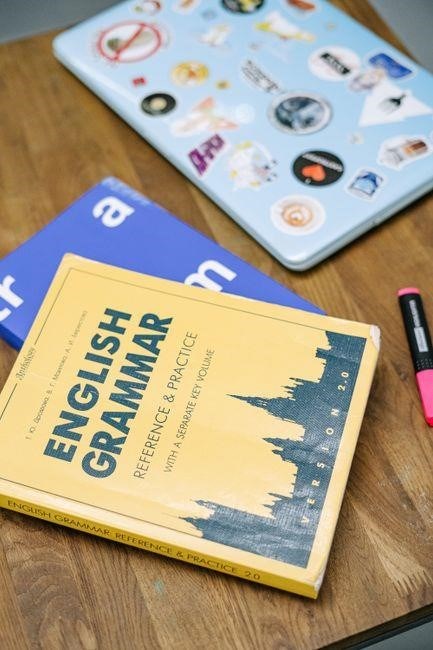
Use the English Grammar in Use PDF by setting clear goals‚ reviewing each lesson‚ and practicing exercises. Highlight key points‚ take notes‚ and revisit challenging sections. Combine reading with speaking and writing drills for learning. Schedule sessionstrack progress‚ and adjust strategies as needed.
Study Tips and Techniques
Begin by skimming the PDF to identify key sections and recurring grammar patterns. Allocate dedicated study slots each week‚ ensuring consistency. During each session‚ read a lesson‚ pause to annotate margins‚ and underline unfamiliar structures.
Use active recall by covering the answer and testing yourself on each rule. Create flashcards for common exceptions and practice with spaced repetition software. Pair reading with speaking: read aloud‚ record‚ and critique pronunciation and intonation.
- Set a daily 30‑minute review session to reinforce new rules.
- Use spaced repetition for tricky verb forms.
- Write short essays applying each grammar point.
- Engage in peer‑review groups for feedback.
- Watch graded videos that illustrate sentence structures.
- Keep a grammar journal to track progress.
- Test yourself with timed quizzes.
- Reflect on mistakes and adjust study strategies.
By integrating these strategies‚ learners can transform passive reading into active mastery. Regular reflection‚ consistent practice‚ and the use of varied media will deepen understanding and retention. The PDF’s clear structure supports self‑paced learning‚ making it a valuable companion for anyone aiming to master English grammar.
With these tools‚ the PDF becomes more than a reference; it turns into a dynamic study partner that adapts to your learning rhythm‚ ensuring steady progress toward fluency and confidence in everyday communication.
Enjoy your journey!
Supplementary Resources and Practice Exercises
Enhance your mastery of the English Grammar in Use PDF by exploring a variety of complementary materials. Begin with the official companion workbook‚ which offers expanded exercises and answer keys that align directly with each chapter. The workbook’s interactive quizzes reinforce concepts through immediate feedback.
Online platforms such as the publisher’s website host video tutorials that break down complex rules into digestible segments. These visual aids are ideal for auditory and visual learners‚ allowing you to pause‚ rewind‚ and replay explanations at your own pace.
Language‑learning forums and study groups on social media provide peer support. Share challenging sentences‚ ask for clarification‚ and practice with native speakers through language‑exchange apps. This real‑world interaction cements theoretical knowledge into practical use.
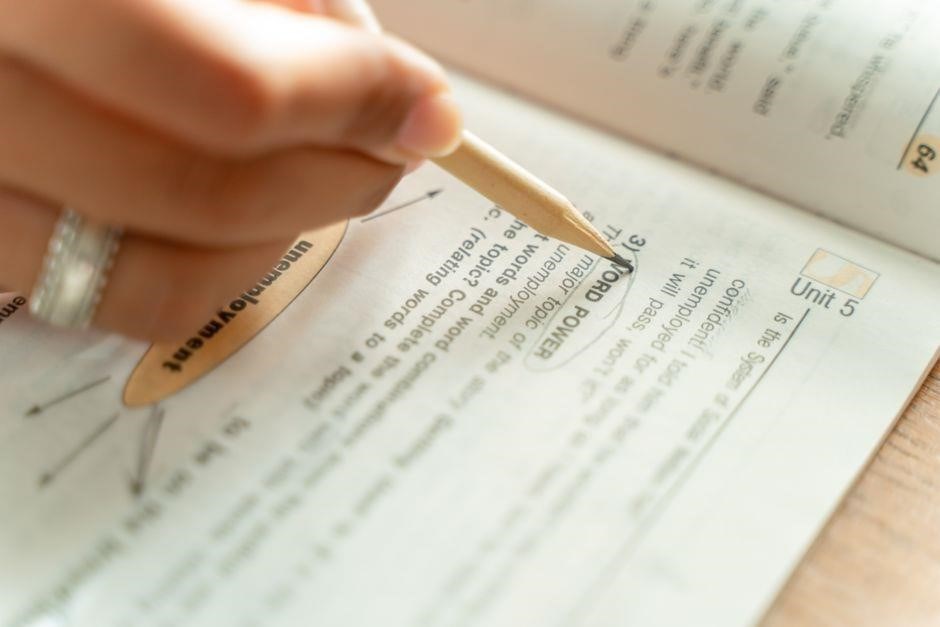
For targeted practice‚ download printable worksheets from reputable grammar sites. Use them to test specific verb tenses‚ prepositions‚ or conditional structures. Track your accuracy and revisit weak areas until proficiency improves.
Finally‚ integrate gamified apps that reward streaks for completing grammar challenges. Gamification keeps motivation high and turns routine revision into an engaging activity.
Use these resources weekly: review a chapter‚ test yourself‚ discuss errors with peers. Consistency turns practice into confidence‚ making grammar a natural part of daily‚ every day communication!